
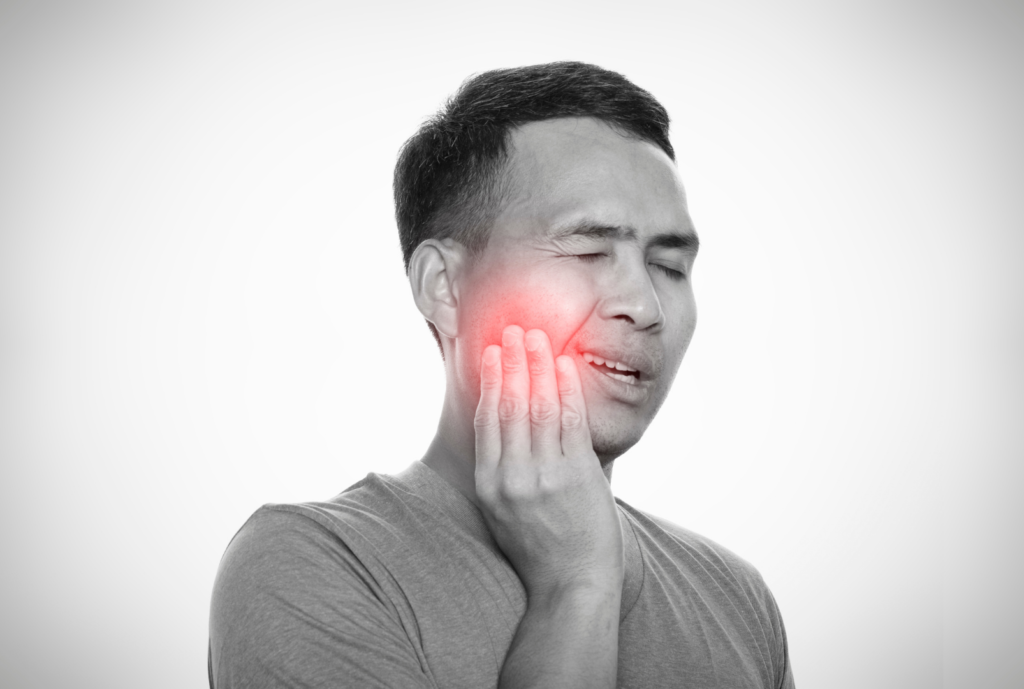
Understanding TMD
TMD, also known as Temporomandibular Joint (TMJ) disorder, refers to problems affecting the jaw joint and the muscles that control jaw movement. When the joint or surrounding muscles are overworked, inflamed, or under constant tension, pain and stiffness can develop, making everyday activities uncomfortable. Studies show it affects around three to four percent of adults each year and is more common in women. TMD usually develops due to a combination of muscle strain, joint stress, and emotional factors such as anxiety or prolonged stress.
Common Causes and the Impact of Stress
Excessive jaw clenching and grinding during sleep, prolonged overuse of the jaw, arthritis, and joint trauma are well recognised contributors to TMD. However, stress plays a central role in many patients. Chronic stress increases muscle tension, particularly around the jaw and neck, leading to inflammation and pain. Lifestyle pressures, including the drive to meet demanding goals at work, in life or relationships can unintentionally increase psychological and physical stress, worsening symptoms.
Patients commonly report jaw or facial pain, muscle soreness, clicking or popping sounds, headaches, and restricted mouth opening. These symptoms often fluctuate, which can complicate diagnosis and delay effective management.
Pharmacological Treatment Options
Medication use for TMD is primarily aimed at symptom control. Common options include painkillers; particularly non steroidal anti inflammatory drugs, muscle relaxants, and in selected cases, antidepressants. Alternatively, botulinum toxin injections may be used to alleviate jaw pain and improve jaw function in TMD when other therapies fail.
These treatments can ease pain and relax the muscles during flare ups, but they do not fix the root cause.
Supportive Therapies
Supportive strategies without the use of medications, remain as the fundamental in TMD care with the ultimate aim to reduce muscle overactivity in the options below:
- Therapeutic exercises are among the most strongly supported interventions. Many studies demonstrate that jaw exercise and postural correction significantly reduce pain, improve mouth opening, and enhance functional outcomes.
- Integrative therapies, including acupuncture and yoga, may provide additional benefits. Acupuncture shows short-term pain relief particularly in patients with headaches. Yoga may reduce pain and improve jaw function by addressing stress-related components of TMD.
- Mind–body approaches, such as mindfulness and hypnosis, show potential in chronic pain modulation which may reduce muscle activity and pain.
- Dental appliances are widely used to reduce joint loading and muscle hyperactivity. However, better outcomes are observed when combining with physical or behavioral therapies.
- Electro-physical therapies, including TENS and low-level laser/photobiomodulation therapy (PBMT), offer non-invasive pain relief. PBMT appears more effective and longer-lasting than TENS for short-term pain reduction.
Finally, lifestyle and dietary modifications remain underexplored yet promising interventions. Regular physical activity, such as running and cardiovascular exercise, may contribute to mental well-being when performed consistently. In addition, maintaining adequate levels of essential vitamins and minerals—including vitamin D3, vitamin K2, magnesium, and zinc—is crucial for supporting overall health.

The Role of Compounding Pharmacy
Custom topical formulations can deliver analgesic and muscle relaxing agents directly to the jaw and neck muscles, minimising systemic exposure. Besides, specific vitamins and minerals of optimal dosage can also help with the pain. These customized options complement other TMD therapies and subsequently improve patient outcomes.
Conclusion
At Twenty Script Compounding Pharmacy, we work closely with dentists and clinicians to support comprehensive management of temporomandibular disorder. By providing personalised compounded medications and supplements, we help to address the complexity of jaw and facial pain while supporting better long term outcomes for patients.