Discover why Azelaic Acid is becoming a trusted ingredient in dermatology for more than just acne. From improving redness and pigmentation to supporting healthier skin, learn what makes this versatile ingredient unique and how personalised compounding can unlock its full potential.
When it comes to skincare acids, ingredients like Salicylic Acid, Glycolic Acid, and Retinoic Acid often receive the most attention. While each has an established role in dermatology, one ingredient is frequently overlooked despite its remarkable versatility: Azelaic Acid.
Unlike many topical acids that primarily focus on exfoliation, Azelaic Acid works through multiple biological pathways, allowing it to address several skin concerns at once. Its unique mechanism of action has made it a trusted treatment for a wide range of dermatological conditions, offering benefits that extend well beyond acne alone.
More Than Just an Acne Treatment
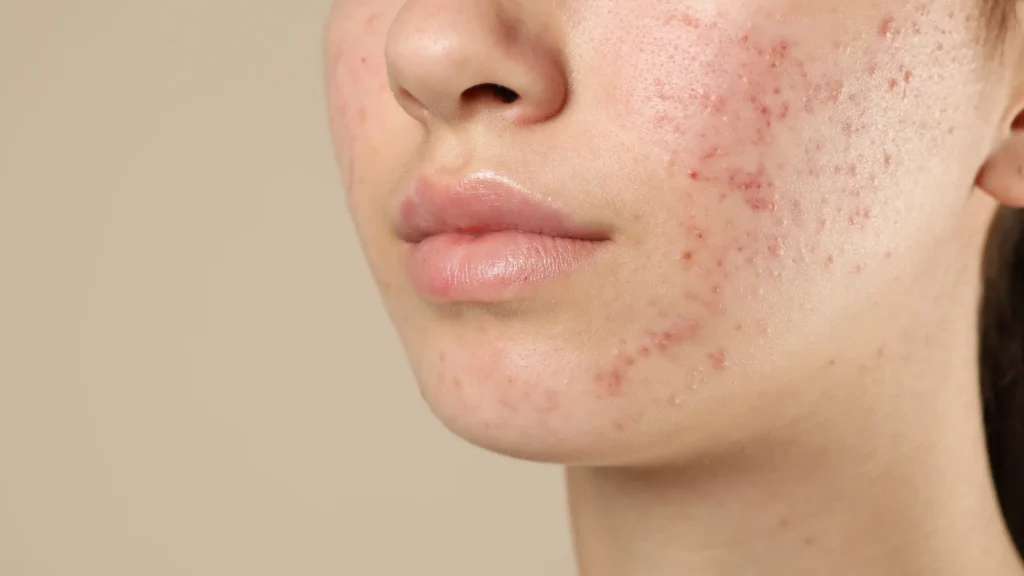
Although Azelaic Acid is widely recognised for treating acne, its benefits reach far beyond reducing breakouts. Dermatologists commonly prescribe it to help manage rosacea, post inflammatory hyperpigmentation, melasma, and other pigment related skin concerns. By addressing both active skin conditions and the marks they leave behind, Azelaic Acid helps promote clearer, healthier, and more even looking skin.
One of its greatest advantages is its excellent tolerability. Azelaic Acid is generally suitable for most skin types, including sensitive skin, making it a versatile option for long term use. Combined with its ability to improve multiple skin concerns at once, it has become a trusted ingredient in modern dermatology.
How Azelaic Acid Works Differently
Many skincare acids are designed to target one primary concern. Understanding how they differ helps explain why Azelaic Acid has become such a versatile option.
Glycolic Acid, an alpha hydroxy acid (AHA), works mainly on the skin’s surface by encouraging healthy skin cell turnover. It also stimulates collagen production, helping improve skin texture, soften fine lines, and reduce the appearance of acne scars and sun damaged skin.
Salicylic Acid is a beta hydroxy acid (BHA) that penetrates oily pores to dissolve excess sebum and dead skin cells. It is particularly effective for treating blackheads, whiteheads, and oily, acne prone skin by reducing pore congestion.
Retinoic Acid, commonly known as tretinoin, promotes healthy skin renewal while preventing clogged pores from forming. It remains one of the most effective topical treatments for acne and photoaged skin, making it a cornerstone of many dermatological treatment plans.
Azelaic Acid, however, works differently. Instead of focusing on a single pathway, it combines antibacterial, anti-inflammatory, keratin regulating, and pigment reducing properties in one ingredient. Unlike antibiotic cream, azelaic acid does not carry the risk of antibiotic resistance. This allows it to target acne, redness, uneven skin tone, and post inflammatory pigmentation simultaneously, making it one of the most comprehensive topical treatments available in dermatology.

What are the side effects of Azelaic Acid
The most frequently reported side effects included:
- Mild burning or stinging sensation
- Temporary itching (pruritus)
- Mild redness (erythema)
- Dryness
- Peeling or scaling
- Mild skin irritation
These reactions generally occurred during the early stages of treatment and tended to improve or resolve with continued use as the skin adapted.
Consistency Is Key
Like many dermatological treatments, Azelaic Acid delivers the best results after about 4 weeks, twice a day when used consistently. Improvements in acne, pigmentation, and overall skin appearance develop gradually as the skin completes its natural renewal cycle.
With regular use over several months, Azelaic Acid helps maintain balanced skin cell turnover, reduces inflammation, and supports a more even skin tone. While results vary between individuals, consistent application as directed by a healthcare professional is essential for achieving and maintaining long term improvements.
Why Isn’t Azelaic Acid More Common?
Despite its many benefits, Azelaic Acid is less commonly found in over the counter skincare products than ingredients such as Salicylic Acid or Glycolic Acid. One reason is that it is more technically challenging to formulate into stable topical preparations while maintaining good texture, consistency, and performance.
As a result, there are not many commercially available products containing Azelaic Acid in the right concentration of minimally 15%. Other products contain lower concentration or combine it with numerous other ingredients, meaning it is not always the primary focus of the formulation.
A More Personalised Approach with Compounding
Not every person’s skin responds the same way to treatment. Some individuals may benefit from a different concentration of Azelaic Acid, while others may require it to be combined with complementary active ingredients or formulated in a cream, gel, or lotion that better suits their skin type.
This is where compounding pharmacy offers a more personalised approach. Instead of relying on commercially available products with fixed formulations, compounded medications can be customised according to a healthcare professional’s prescription. The strength of Azelaic Acid, the choice of active ingredients, the dosage form, and even the formulation base can all be tailored to suit an individual’s skin condition, treatment goals, and tolerance.
At Twenty Script Compounding Pharmacy, we work closely with healthcare professionals to prepare personalised Azelaic Acid formulations designed around the patient’s specific needs. By placing this versatile ingredient at the centre of treatment rather than treating it as just one ingredient among many, personalised compounding offers greater flexibility in supporting healthier, clearer skin.
Reference : Searle, T., Ali, F. R., & Al-Niaimi, F. (2022). The versatility of azelaic acid in dermatology. In Journal of Dermatological Treatment (Vol. 33, Issue 2, pp. 722–732). Taylor and Francis Ltd. https://doi.org/10.1080/09546634.2020.1800579